
Driving in the Garden: How Biophilic Design is Reshaping Our Cars
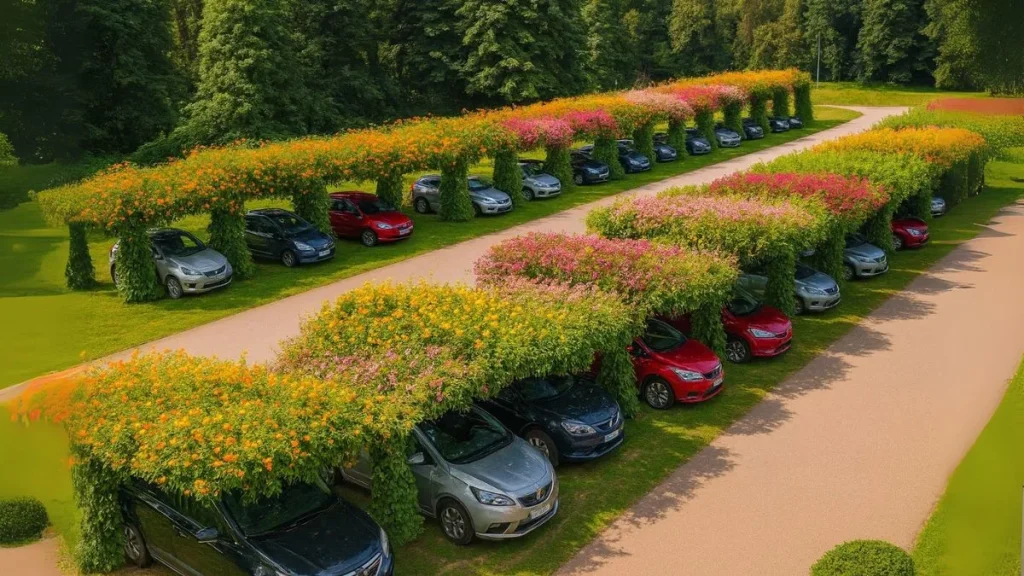
You know that feeling. The calm that washes over you when you walk into a room filled with natural light and living plants. Or the quiet focus you find sitting by a moving stream. That’s biophilia at work—our innate human connection to nature and living systems.
Now, imagine bringing that feeling into your car. Not with a pine-scented air freshener, but through the very fabric of the vehicle’s design. That’s the fascinating intersection we’re exploring today: automotive design and biophilic principles. It’s not just about making cars look like leaves; it’s about engineering spaces that make us feel more alive, more relaxed, and more connected, even while navigating a concrete jungle.
Beyond Leather and Plastic: The Core Ideas of Biophilic Automotive Design
So, what does biophilic design actually look like inside a car? Honestly, it goes way beyond slapping some wood trim on the dashboard. It’s a holistic approach that taps into several key principles. Let’s break them down.
1. Direct Experience of Nature
This is the most obvious one. It’s about incorporating actual natural elements into the cabin. We’re seeing a real shift here:
- Authentic, Sustainable Materials: Forget cold, impersonal plastics. Think linen upholstery, wool blends, cork accents, and open-pore wood that you can feel the grain of. Brands like Lexus with their L-finesse design philosophy and Tesla with their use of real wood have been pioneers, but now even mainstream models are exploring fabrics derived from recycled bottles or even pineapple leaves (Piñatex).
- Living Greenery: Okay, no one’s putting a full-sized ficus in the backseat… yet. But concept cars, like Hyundai’s “43” concept, have explored integrated plant pods for air purification. It’s a bold vision of a car interior as a living ecosystem.
- Dynamic Light & Air: Large panoramic sunroofs that flood the cabin with light, advanced climate control that mimics a gentle breeze rather than a harsh blast—these are direct links to the natural environment outside the metal shell.
2. The Indirect Experience (This is Where it Gets Clever)
This principle is subtler, but maybe more powerful. It uses forms, patterns, and technology to evoke nature.
Look at the flowing, organic curves in a modern car’s dashboard or door panel. They’re often inspired by landscapes—dunes, river stones, rolling hills. The ambient lighting in a Mercedes-Benz EQ series can be programmed to soft, sunrise-like gradients. Even the soundscape is being redesigned; the hum of an electric motor is being tuned to be more pleasant, and some concepts incorporate soothing, natural soundscapes for relaxation during charging.
It’s about creating a sensory experience that feels… well, natural.
Why Now? The Urgency Behind Nature-Inspired Car Interiors
Here’s the deal. This trend isn’t just a design fad. It’s a response to some very real, modern pain points.
First, stress and cognitive load. Driving, especially in traffic, is mentally exhausting. Biophilic design has been proven in architecture to reduce stress, lower heart rate, and improve focus. Applying that to a car’s cockpit is a logical step toward making the driver calmer and, ultimately, safer.
Second, the rise of electric and autonomous vehicles. With less need to design around a massive engine block, and with the prospect of passengers who are not actively driving, the interior becomes a “living space on wheels.” What do we want that space to feel like? A sterile office? Or a serene, restorative sanctuary?
Finally, the overarching sustainability mandate. Using renewable, recycled, or plant-based materials directly addresses consumer demand for eco-conscious products. It’s a tangible expression of a brand’s environmental values.
A Glimpse at the Road Ahead: Concepts and Production
Let’s look at some real-world applications. The BMW i Vision Circular concept was a masterclass. It used recycled materials exclusively, with a dashboard that resembled a crystal geode and seat fabrics that looked like knitted yarn. It felt crafted, not manufactured.
On the production side, the Mazda MX-30 features cork trim sourced from leftover cork from the bottle-stopper industry—a material that’s warm, tactile, and deeply sustainable. Polestar’s commitment to traceability and recycled materials sets a new bar for transparency in eco-friendly automotive materials.
And it’s not just for luxury segments. The push for biomimicry in car design—like shapes that reduce drag inspired by birds or sharks—has been improving efficiency for years. That’s biophilia working on the exterior, making the car itself more in harmony with the air it moves through.
Challenges on the Path: It’s Not All Smooth Driving
Of course, integrating nature into a machine built for speed, safety, and durability is tricky. Natural materials can be less durable, more expensive, and harder to standardize than plastic. A piece of wood is unique; a molded plastic part is identical every time.
There’s also a risk of greenwashing—using a tiny bit of recycled material for marketing while the rest of the car remains environmentally taxing. Authenticity is key. And, let’s be honest, not everyone wants a car that feels like a spa. Some drivers still crave the raw, mechanical connection of traditional sports car interiors.
That said, the trajectory is clear. The question is shifting from “Can we do this?” to “How can we scale biophilic car interiors for the mass market?”
The Final Destination: A New Relationship with Our Vehicles
In the end, the move toward biophilic automotive design signals something profound. It reframes the car from a mere tool for transportation into a curated environment that impacts our well-being.
We spend hours of our lives in these mobile rooms. Shouldn’t they contribute to our health, not just our mobility? This design philosophy offers a path to reduce the alienation of modern travel, to create cabins that soothe rather than stimulate, and to build vehicles that have a lighter, more thoughtful footprint on the planet they’re designed to explore.
The future of driving might just feel less like operating a machine, and more like moving through a garden. Or at least, bringing a cherished piece of that garden along for the ride.
About Author

